Browse our archives by topic…
Blog
Browse our blogs activity over the years…
Endjin composition framework 2.0 Part 3: Using the content factory
Use the endjin composition framework's ContentFactory to register and resolve content by contentType string, with automatic substring fallback for misses.
Retrying tasks with TPL, async and synchronous code
Dealing with Transient Faults is absolutely essential when working in The Cloud. We delve into the library we've created for dealing with this situation.

Learning To Program - A Beginners Guide - Part Two
In this post, we're going to set up the tools that we're going to use in the rest of this course on Windows or Linux.
A step by step guide to installing an F# REPL environment on Linux
Getting F# interactive running on Linux means building Mono 3.0 and the F# tools from source. Here are the exact apt-get, git clone, and make commands for Ubuntu 12.10.
A step by step guide to installing an F# REPL environment on Windows
Running F# interactively on Windows requires .NET 4.5, the Windows SDK, and the F# tools -- plus a PATH tweak to make fsi accessible from the command line. Here's every step for Windows 7 and 8.
Xamarin platform setup gotchas
Yesterday I attended the "C# and Mvvm - Developing apps for all of Android, iPhone and Windows" event hosted by Stuart Lodge at Modern Jago. In preparation for the day I had the daunting task of setting up my Mac for cross platform development with Xamarin. While most of it was fairly straight forward and well documented, I came across a few gotchas worth blogging about.
Endjin composition framework 2.0 Part 2: Getting Started
Getting started with endjin composition framework 2.0, our open-source .NET dependency injection container, with installer setup and component registration.
Learning To Program - A Beginners Guide - Part One
This post introduces a beginner's programming series, comparing modern programmers to medieval craftsmen and explaining the basic math skills and mindset needed to start learning the craft.
Introducing endjin composition framework 2.0 : Part 1
Endjin's open-source composition framework 2.0 drops Castle Windsor for a custom container, with cheap miss-handling and support for .NET, WinRT, and WP8.
High-Res prototyping tips: eliminating waste, enabling collaboration
This post discusses the importance of collaboration between designers and developers, including communication tips and a step-by-step guide.
Evidence-based Decision Making: Adding validation to your value chain
A Campaign for Rational Business: applying evidence-based decision-making to your value chain to stop relying on gut instinct and make defensible calls.
PowerShell Best Kept Secrets: Splatting
Splatting is one of the most powerful, yet underused features of PowerShell. In this post we cover a walk-through of how to use this feature.
Prototyping data visualization on the Microsoft platforms
What separates a real proof of concept from a hack, demo, or spike, and how to scope a charting and data visualisation PoC across the Microsoft tech stack.
Step-by-step GitFlow with TeamCity Part 4: Feature Branches
In the final part of this series, we cover how to use TeamCity's feature branch abilities to support the GitFlow process.
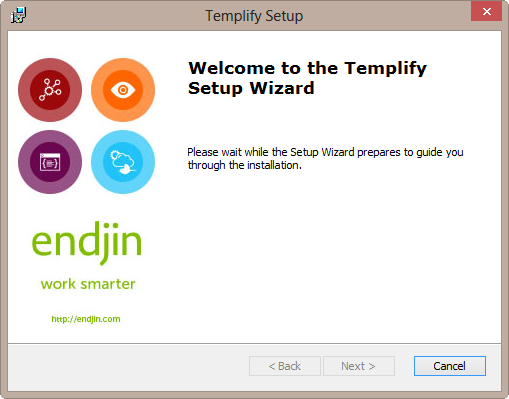
Templify 0.7.0.25 is available.
A new version of Templify has been released, which includes a huge performance improvement contributed by the Open Source community.
Example Responsive Layout Using Bootstrap
A worked Bootstrap example: header, sidebar, body, callout, sticky footer, plus extra CSS filling the missing 980-1199px narrow-desktop breakpoint.
Tips for implementing responsive designs using Bootstrap 3
We ran a retrospective of our first few Bootstrap-based HTML5/Javascript projects a few weeks back, and distilled some of the output into these top tips
Which programming languages should I learn: Beginners Edition
Choosing your first programming language as a complete beginner: JavaScript, Python, C# and others compared on usefulness, learnability, and job demand.
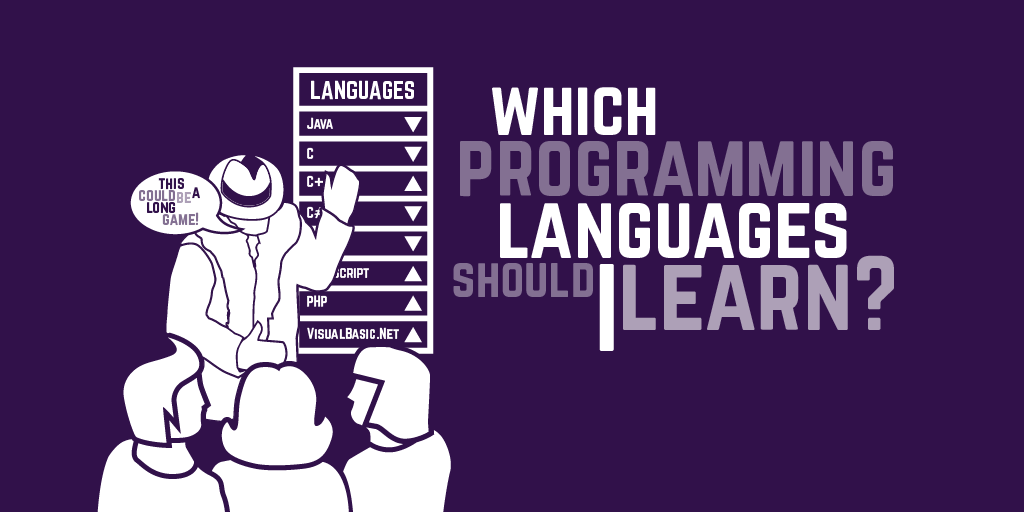
Which programming languages should I learn?
If you were learning to programme today, which language should you choose? A look from Z80 assembly through C's hegemony into today's diverse landscape.
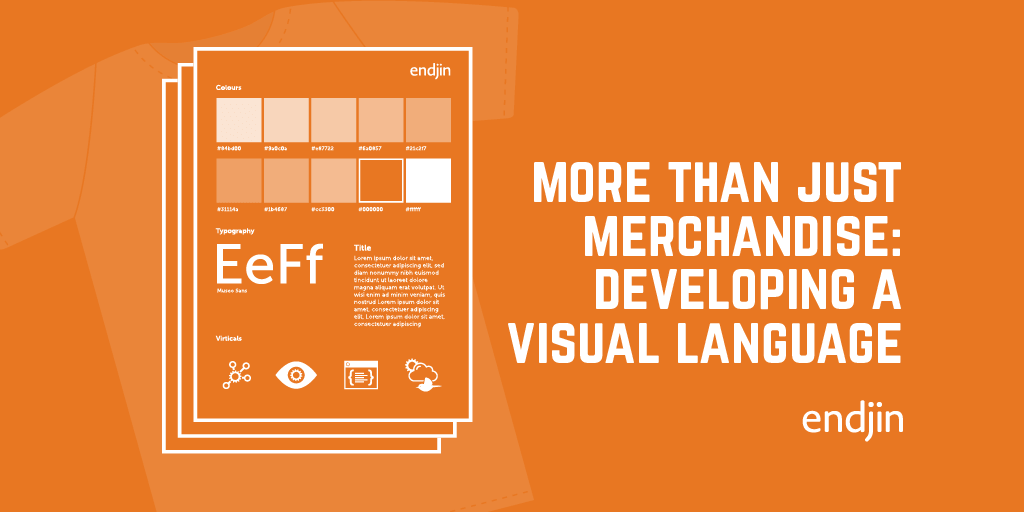
It's more than just merchandise: Developing a visual language
Laying the foundations to build a brand doesn't happen overnight. At endjin it taken many years to develop our brand look and tone of voice. In this post we talk about developing our visual language so that we can maintain a consistent look and feel across all our collateral.
Metrics & Reporting in Strategy Development
Having a strategy is one thing, being able to measure your progress towards implementing is, and its impact is another.
Step-by-step GitFlow with TeamCity Part 3: GitFlow Commands
GitFlow adds init, feature, release, hotfix, and support sub-commands that automate branching conventions: each one is a facade over standard git commands, explained here with their native equivalents.
Phased Thinking: Tactics for strategy
Thinking strategically is incredibly difficult, especially if all your cognitive bandwidth is absorbed by business as ususal operational activities.
Step-by-step GitFlow with TeamCity Part 2: Branching Model
GitFlow gives you a branching model designed around release cycles, with dedicated branches for features, releases, and hotfixes. Here's the mental model.
Live by the sword: A practical approach to our own digital strategy
7 years ago, feels like a lifetime - for you eldest it is - but this was when endjin took the first steps in refreshing our website promoting our cloud expertise and mobile first responsive design. In this post we talk about our strategic, creative, prototyping and production processes to deliver our website and enforce our brand.